

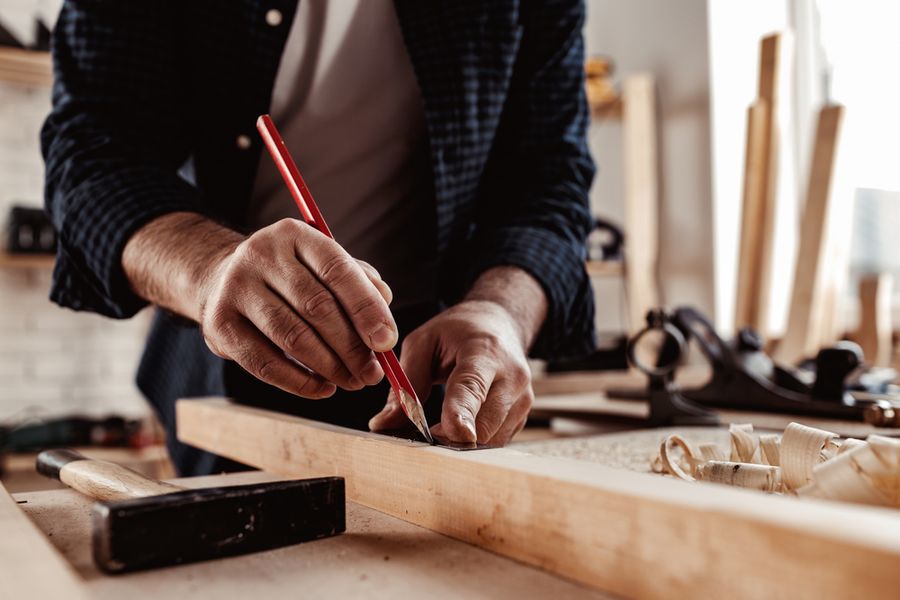
Starting woodworking at home can feel overwhelming, especially if you think you need a full workshop and costly equipment. In reality, many beginners build useful and attractive projects with only a few basic tools and a small workspace. With the right approach, you can learn core skills, stay safe, and enjoy the process without spending heavily. Understand how to begin woodworking at home using simple tools and smart techniques.
Start With a Simple Tool Kit
You do not need a large collection of tools to begin woodworking. A small set of hand tools is enough for many beginner projects. Focus on tools that can handle common tasks like cutting, measuring, and shaping wood. A basic starter kit might include a handsaw, a hammer, a tape measure, a square, sandpaper, and a set of screwdrivers.
These tools allow you to build small items such as shelves, boxes, or frames. Hand tools are also easier to control than large power tools, which makes them safer for beginners. As you gain experience, you can slowly add more tools based on your needs instead of buying everything at once.
Choose Easy Projects to Build Skills
Starting with simple projects helps you learn faster and avoid frustration. Look for projects that use straight cuts and basic joints. A small shelf, a wooden crate, or a simple bench are all good starting points. These projects teach you how to measure, cut, and assemble pieces correctly.
Each project should focus on one or two new skills. For example, one project might help you practice accurate measuring, while another helps you improve sanding and finishing. By building step by step, you develop confidence without feeling overwhelmed.
Use Affordable and Easy-to-Find Materials
You do not need expensive wood to get started. Many beginners use common boards found at local home improvement stores. Pine and other softwoods are widely available and easy to work with. They cut smoothly and are more forgiving when you make small mistakes.
You can also reuse wood from old furniture or leftover construction pieces. This reduces waste and gives you extra practice without extra cost. Always check reclaimed wood for nails or damage before using it, and sand it well before starting your project.
Create a Safe and Simple Workspace
A full workshop is not required to start woodworking. A small area like a garage, basement, or even a sturdy table can work well. The most important thing is having a stable surface where you can measure and cut safely.
Keep your workspace clean and organized. Make sure your tools are easy to reach and stored properly when not in use. Good lighting is also important so you can see your measurements clearly. If you are working indoors, ensure proper airflow when sanding or finishing wood.
Learn Basic Techniques First
Before moving on to complex builds, focus on learning the basics. Measuring accurately is one of the most important skills in woodworking. Even small errors can affect how your pieces fit together. Always double-check your measurements before cutting.
Cutting straight lines is another key skill. Practice using your handsaw on scrap wood until you feel comfortable. Sanding is also important because it improves the look and feel of your project. Smooth surfaces make even simple projects look more polished and complete.
Joining pieces is another core step. Beginners often use nails, screws, or wood glue. These methods are simple and effective. As your skills improve, you can explore more advanced joints, but they are not required at the start.
Build Consistency With Small Projects
Consistency matters more than complexity when learning woodworking. Instead of trying to build large items right away, focus on completing smaller projects regularly. This helps you improve your skills with each build.
Each finished project teaches you something new. You learn how wood behaves, how tools feel, and how to fix small mistakes. Over time, these lessons add up and make you more confident in your work.
Keeping your projects simple also reduces waste and keeps costs low. You can experiment more freely without worrying about making costly errors.
Build Skills Before Expanding Your Tools
Starting woodworking at home does not require expensive tools or a large workshop. With a few basic tools, simple materials, and a clear plan, you can begin building useful and creative projects right away.
Focus on learning core skills, working safely, and finishing small builds. As your confidence grows, you can slowly expand your tools and take on more advanced projects, all without rushing into unnecessary expenses.