

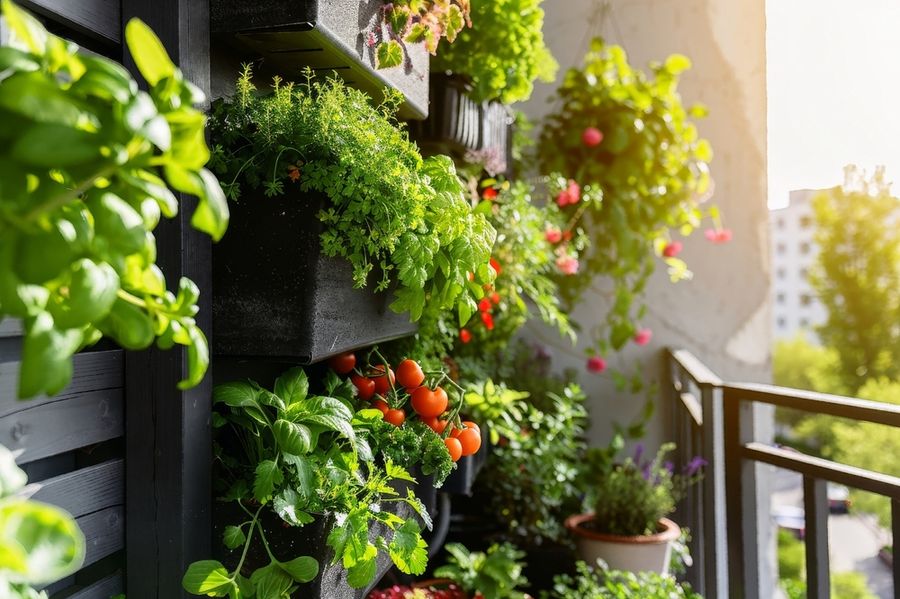
Starting a garden may seem difficult if you do not have a yard or large outdoor area. Many people assume gardening requires wide open space, but that is not true. You can grow plants in small areas like balconies, patios, or even inside your home. With the right setup and a simple plan, it is possible to enjoy gardening almost anywhere. Understand how to begin gardening with limited space using practical and easy steps.
Choose the Right Space for Your Plants
The first step is to find a spot that gets enough light. Most plants need several hours of sunlight each day. Look for areas near windows, balconies, or outdoor corners that receive steady light. If natural light is limited, you can still grow certain plants that do well in lower light conditions.
It is also important to consider airflow and temperature. Plants need fresh air and stable conditions to grow well. Avoid placing them in areas that are too hot, too cold, or too crowded. Even a small, well-chosen space can support healthy plant growth.
Use Containers That Fit Your Space
Container gardening is one of the best ways to grow plants in small areas. You can use pots, boxes, or other containers that fit your space. The size of the container should match the type of plant you want to grow. Small herbs can grow in compact pots, while larger plants need deeper containers.
Make sure each container has proper drainage. Water should be able to flow out so roots do not become too wet. You can place trays under containers to catch excess water and protect your surfaces. Choosing the right containers helps you manage space while keeping plants healthy.
Pick Easy Plants for Beginners
Starting with simple plants makes the process easier and more enjoyable. Herbs like basil, mint, and parsley are good choices for small spaces. They grow well in containers and do not require complex care. Leafy greens such as lettuce and spinach are also suitable for beginners.
If you prefer flowers, choose types that grow well in pots and do not need much space. The goal is to build confidence by caring for plants that are easy to manage. Once you gain experience, you can try more challenging plants.
Use Vertical Space to Grow More
When space is limited, it helps to grow upward instead of outward. Vertical gardening allows you to use walls, shelves, or hanging setups to hold plants. This method makes better use of small areas and keeps your space organized.
You can place shelves near a window or hang containers on a wall. Some plants, like vines, grow well when supported by a structure. Using vertical space lets you grow more plants without taking up extra room on the ground.
Keep Watering and Care Simple
A simple care routine makes gardening easier to maintain. Water your plants based on their needs, not on a fixed schedule. Check the soil with your finger to see if it feels dry before watering. Overwatering can harm plants just as much as underwatering.
Pay attention to how your plants respond. Healthy leaves and steady growth are good signs. If a plant looks weak, adjust light, water, or placement. Regular care helps you learn what works best in your space.
Start Small and Build Over Time
It is easy to feel excited and try to grow many plants at once. However, starting small is often the better choice. Begin with a few plants and focus on learning how to care for them properly. This approach reduces mistakes and builds confidence.
As you gain experience, you can add more plants or try different setups. Gardening is a skill that improves over time. Taking small steps helps you stay consistent and enjoy the process.
Small Spaces Can Still Grow Big Results
Gardening with limited space is both possible and rewarding. By choosing the right spot, using containers, selecting easy plants, and making use of vertical space, you can create a thriving garden in almost any setting.
The key is to keep your setup simple and focus on steady care. With patience and practice, even the smallest space can become a place where plants grow and creativity thrives. By trying out a few of these strategies, you can get started in a sustainable way!