

Creative hobbies can bring a sense of purpose, reduce stress, and make better use of free time. Many people avoid starting because they believe hobbies require expensive tools or special training. In reality, there are many creative activities that are simple, affordable, and easy to begin at home. With a few basic supplies and a bit of curiosity, anyone can start building a creative routine. Understand some of the best low-cost creative hobbies and how to get started with each one.
Drawing and Sketching at Home
Drawing is one of the most accessible creative hobbies you can try. All you need is paper and a pencil to begin. You can draw objects around your home, practice shapes, or follow simple guides. This hobby helps improve focus and observation skills while giving you a way to express ideas visually.
Over time, you can experiment with pens, markers, or colored pencils. These tools add variety without making the hobby complicated. Drawing can be done anywhere, which makes it easy to practice daily. Even short sessions can lead to steady improvement and build confidence.
Writing and Journaling for Creative Expression
Writing is another low-cost hobby that requires very little to get started. A notebook and a pen are enough to begin journaling or writing short stories. This hobby allows you to explore your thoughts, reflect on your day, or create new ideas through storytelling.
You can set aside a few minutes each day to write without worrying about perfection. The goal is to build a habit, not to produce perfect work. Over time, writing becomes easier and more enjoyable. You may also discover your own style and voice as you continue.
DIY Crafts Using Simple Materials
Crafting is a flexible hobby that can be adapted to what you already have at home. You can create decorations, small gifts, or useful items using paper, cardboard, fabric, or other basic materials. Simple projects like making greeting cards or organizing boxes can be both creative and practical.
This type of hobby encourages problem-solving and hands-on work. It also helps reduce waste by reusing items that might otherwise be thrown away. Starting with small projects allows you to learn basic techniques before trying more detailed work.
Cooking as a Creative Skill
Cooking can be more than a daily task. It can also be a creative hobby that lets you try new ideas and flavors. You can start by learning simple recipes and then adjust them based on your taste. This process helps you understand how ingredients work together.
Trying different styles of cooking or creating your own versions of dishes can make the experience more engaging. Cooking regularly also builds useful life skills while giving you a sense of progress. It is a practical hobby that offers both creative and real-world benefits.
Photography With Everyday Devices
Photography does not require expensive equipment to begin. Many people start using a smartphone or a basic camera. You can practice by taking photos of everyday scenes, nature, or objects in your home. This hobby helps you notice details and improve your sense of composition.
As you continue, you can explore different lighting, angles, and subjects. Editing apps can also add a creative layer to your work. Photography can be done almost anywhere, making it easy to fit into your daily routine.
Gardening in Small Spaces
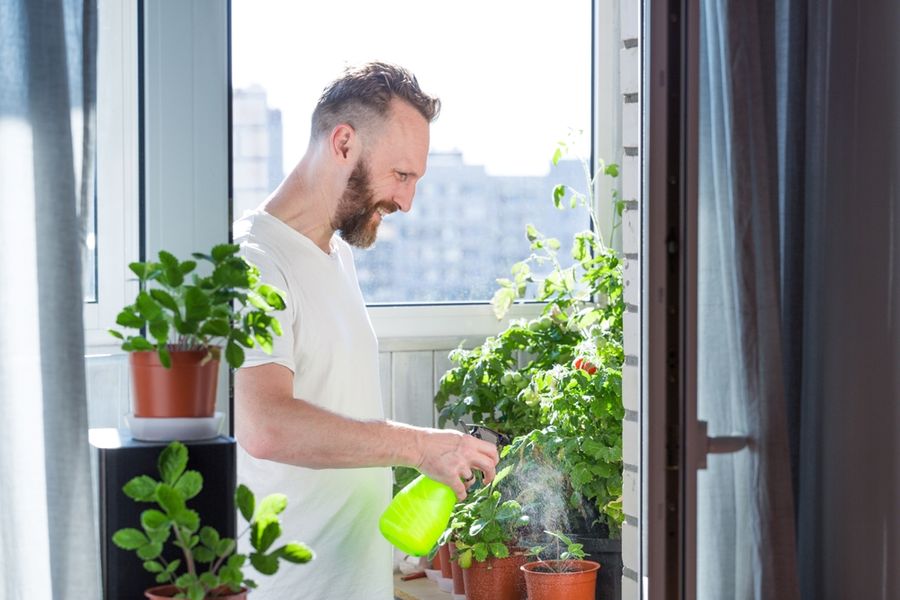
Gardening is a creative and calming hobby that can be started with minimal space. You can grow plants in small containers, on a windowsill, or in a backyard. Starting with easy plants helps you learn how to care for them without feeling overwhelmed.
This hobby connects you with nature and teaches patience. Watching plants grow over time can be very rewarding. Gardening also allows you to experiment with different setups and arrangements, adding a creative element to the process.
Start Simple and Stay Consistent
Low-cost creative hobbies are easier to start than many people expect. You do not need special tools or a large budget to begin. Drawing, writing, crafting, cooking, photography, and gardening all offer simple ways to explore creativity at home.
The most important step is to start with what you have and practice regularly. By keeping your approach simple and consistent, you can build a creative habit that grows over time.