

Building a daily drawing habit does not require a studio or a large set of art supplies. Many people delay starting because they think they need the perfect tools or setup. In reality, a simple and reliable set of tools is enough to help you practice every day. The key is to choose items that are easy to use, easy to carry, and easy to replace. Understand the essential tools that support a consistent drawing routine at home or on the go.
Start With a Simple Sketchbook
A sketchbook is the foundation of a daily drawing habit. It gives you a dedicated place to practice, track progress, and try new ideas. Choose a sketchbook that feels comfortable to use every day. It should open flat and have paper that works well with your chosen tools.
The size of the sketchbook also matters. A smaller book is easier to carry and less intimidating to fill. Larger sketchbooks offer more space but may feel harder to use daily. The best choice is one that you will actually use often. Keeping your sketchbook within reach makes it easier to build a routine.
Use Basic Drawing Tools First
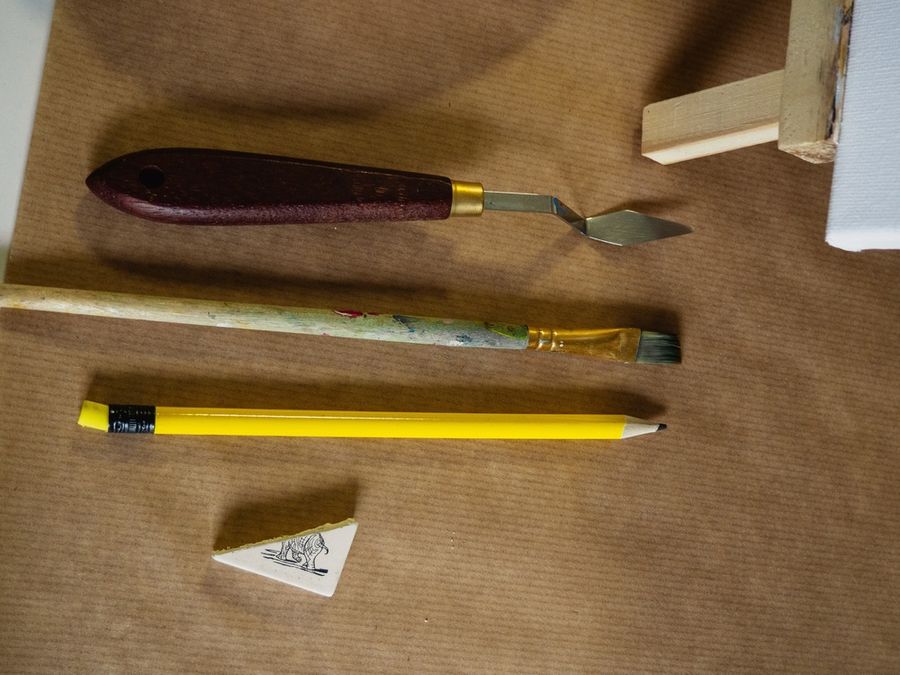
You do not need a wide range of supplies to start drawing daily. A few basic tools can cover most needs. A standard pencil, an eraser, and a pen are enough for many types of sketches. These tools are simple, reliable, and easy to replace.
Pencils are great for practice because you can erase and adjust your lines. Pens help you commit to your marks and improve control. Using both can help you build different skills. As your habit grows, you can explore other tools, but starting simple keeps things easy and focused.
Keep Tools Easy to Access
One of the biggest barriers to daily drawing is effort. If your tools are hard to find or take time to set up, you are less likely to use them. Keep your sketchbook and drawing tools in one place where you can reach them quickly.
You might store them in a small bag, a drawer, or on a desk. Some people keep a second set in their bag so they can draw outside the home. The easier it is to start drawing, the more likely you are to follow through each day.
Add Optional Tools as You Improve
Once you build a steady habit, you may want to add a few extra tools. Fine liners, colored pencils, or markers can add variety to your drawings. These tools can make practice more enjoyable and help you explore different styles.
It is important not to add too many tools at once. Too many choices can slow you down and make drawing feel like a task. Add new tools slowly and only when they support your goals. The focus should stay on drawing often, not collecting supplies.
Use Reference Materials for Practice
Drawing from memory can be difficult, especially for beginners. Reference materials help you understand shapes, proportions, and details. You can use books, photos, or everyday objects around you as subjects.
Having a few go-to references can make daily practice easier. For example, you might draw simple objects like cups, plants, or shoes. Over time, you can move on to more complex subjects. Reference materials give you direction and reduce the stress of deciding what to draw.
Build a Routine With Minimal Setup
The best tools are the ones that support your routine. A daily drawing habit works best when the setup is simple and repeatable. Try to draw at the same time each day, even if it is only for a short period.
You do not need long sessions to improve. Consistent short sessions are often more effective. Keeping your tools ready and your setup simple removes barriers and helps you stay consistent. Over time, drawing becomes a natural part of your day.
Focus on Consistency Over Complexity
A daily drawing habit is built through regular practice, not through expensive or complex tools. A simple sketchbook, a few basic drawing tools, and easy access to your materials are all you need to get started.
As you continue, you can add new tools and explore new styles, but the most important step is to keep drawing. By focusing on consistency and keeping your setup simple, you create a habit that lasts.