

Kyoto is often seen as the heart of traditional Japan. For travelers from the United States, it offers a clear and easy way to experience history, culture, and daily life in one place. While modern cities like Tokyo move at a fast pace, Kyoto provides a slower and more focused look at Japan’s past. With its temples, quiet streets, and cultural practices, the city makes it easier to understand traditions that have lasted for centuries.
Historic Temples and Shrines Across the City
One of the main reasons Kyoto stands out is the number of temples and shrines found throughout the city. These places are not hidden away. They are part of daily life and are easy to visit. Well-known sites like Kinkaku-ji, also called the Golden Pavilion, and Fushimi Inari Shrine are simple to access and offer clear examples of traditional design.
Each temple has its own style and setting. Some are surrounded by gardens, while others sit on hills with wide views. Visitors can walk through these spaces at their own pace and take in the details. The presence of so many historic sites in one city makes Kyoto a strong choice for learning about traditional Japan.
Preserved Districts and Traditional Streets
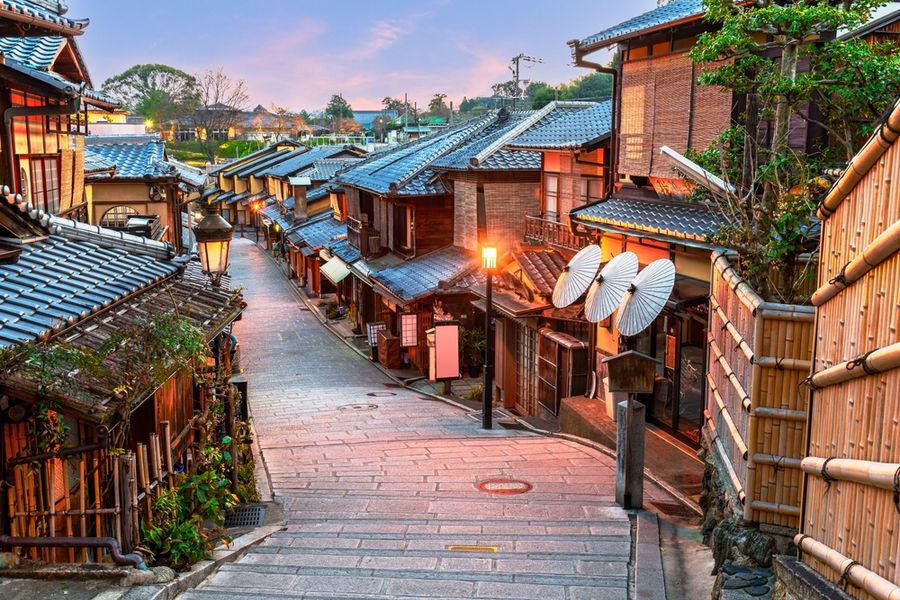
Kyoto is also known for its preserved neighborhoods. Areas like Gion and Higashiyama still reflect older styles of Japanese life. Wooden buildings, narrow streets, and small shops create a setting that feels different from modern cities.
Walking through these districts gives you a sense of how people lived in the past. You may see tea houses, local stores, and quiet pathways that have changed very little over time. These areas are easy to explore on foot, which makes them ideal for travelers who want a simple and direct experience.
Cultural Practices Still in Daily Life
In Kyoto, traditional culture is not only something you see in buildings. It is also part of everyday life. Tea ceremonies, seasonal festivals, and traditional clothing are still practiced and shared. Visitors may see people wearing kimono or taking part in local events.
These cultural elements help create a deeper connection to the place. Instead of only observing history, you can experience it through activities and daily routines. This makes Kyoto different from cities where tradition is less visible.
Seasonal Changes Add to the Experience
Kyoto is known for its clear seasonal changes, which shape the way the city looks and feels throughout the year. In the spring, cherry blossoms fill parks and temple grounds. In the fall, leaves turn bright colors and create strong contrast against the buildings.
These changes add variety to each visit. The same location can feel different depending on the season. This natural cycle has been an important part of Japanese culture for a long time, and Kyoto shows it clearly. It gives travelers a chance to see how nature and tradition work together.
Easy Access and Simple Navigation
Despite its strong focus on tradition, Kyoto is easy to navigate. Public transportation connects most major areas, and many key sites are close to each other. This allows visitors to plan simple routes and avoid long travel times within the city.
Clear signs and organized systems make it easier for international travelers to move around. Even if it is your first time in Japan, Kyoto offers a smooth and manageable experience. This balance of history and accessibility makes it a practical choice.
A Slower Pace Compared to Major Cities
Kyoto offers a calmer pace than larger cities like Tokyo or Osaka. Streets are often quieter, and many areas are designed for walking rather than rushing. This slower environment allows visitors to take their time and focus on the details around them.
This pace is important when exploring traditional culture. It gives you space to observe, reflect, and enjoy the experience without feeling rushed. For many travelers, this makes Kyoto more comfortable and easier to enjoy.
A Clear Window Into Traditional Japan
Kyoto stands out as the best city to experience traditional Japan because it brings together history, culture, and daily life in a clear and accessible way.
From temples and preserved streets to cultural practices and seasonal beauty, the city offers a complete view of Japan’s past. For travelers from the United States, Kyoto provides a simple path to understanding traditions that still shape the country today.