

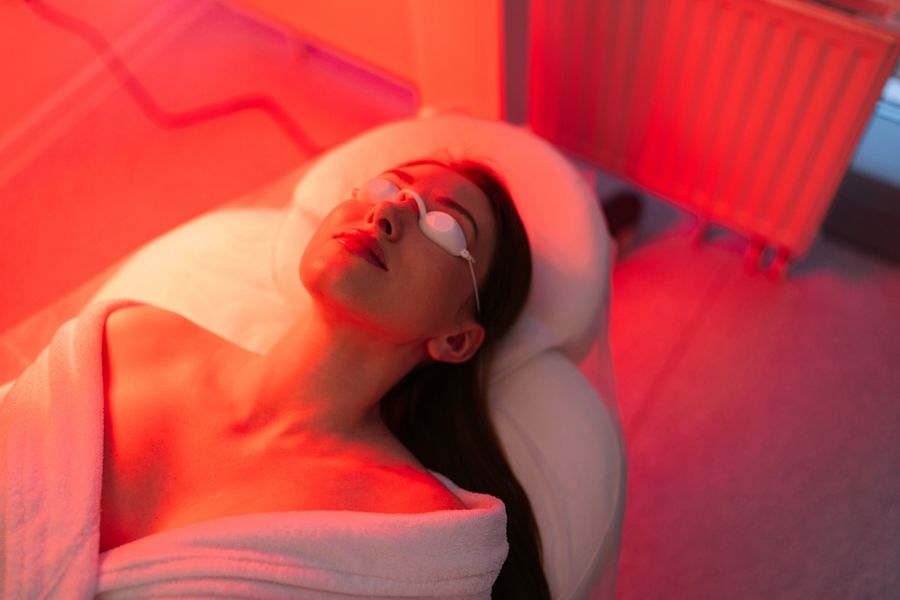
Red light therapy has become more common in wellness routines across the United States. It is often used to support skin care and help the body recover after physical activity. Many people are drawn to it because it is simple to use and does not require a complex setup. It's important to understand how red light therapy uses specific light wavelengths to support healing and repair in the body.
How Red Light Therapy Works
Red light therapy uses low levels of red or near-infrared light to reach the skin and underlying tissues. Unlike stronger forms of light, it does not damage the surface. Instead, it works at a deeper level by delivering energy to cells. This process helps support normal cell activity, which plays a role in how the body repairs itself.
When the light reaches the skin, it is absorbed by cells that are responsible for energy production. This can help those cells work more efficiently. As a result, the body may be better able to manage everyday stress, minor irritation, and recovery after physical strain. The process is gradual, and results usually depend on consistent use over time rather than one session.
Supporting Skin Health and Appearance
One of the most common uses of red light therapy is for skin care. Many people use it to support a smoother and more even skin appearance. It may help reduce the look of fine lines and support the skin’s natural repair process. This happens because the light can encourage normal cell turnover, which helps refresh the surface of the skin.
Red light therapy may also support better skin tone by helping improve circulation in the treated area. Increased blood flow can bring oxygen and nutrients to the skin, which supports overall skin health. Over time, this can lead to a more balanced and refreshed appearance. While results vary, regular sessions are often part of a steady routine rather than a quick fix.
Helping Muscle Recovery After Activity
Red light therapy is also used by people who want to support muscle recovery. After exercise or physical strain, muscles need time to repair. The light may help support this process by encouraging normal cellular function and improving circulation in the affected areas. This can help the body recover more comfortably after activity.
Another benefit is the ability to relax muscles after use. Some people find that using red light therapy after a workout helps reduce feelings of tightness. Because the treatment is gentle and does not require pressure or movement, it can be a simple addition to a recovery routine. It is often used alongside stretching, rest, and proper hydration.
Easy to Add to a Daily Routine
One reason red light therapy has gained attention is that it is easy to include in a daily schedule. Sessions are usually short, and many devices are designed for home use. This makes it possible to use the therapy without visiting a clinic. Consistency is important, so having access at home can make it easier to stay on track.
People often use red light therapy while doing other simple activities, such as reading or relaxing. This makes it feel less like a task and more like part of a normal routine. Over time, this steady approach can help support gradual results without needing major changes to daily habits.
Safety and Practical Considerations
Red light therapy is generally considered low risk when used as directed. It does not involve heat in the same way as other treatments, and it does not break the skin. This makes it appealing for people who want a non-invasive option. Still, it is important to follow instructions and avoid overuse.
Eye protection may be recommended depending on the device, especially when treating areas near the face. It is also important to choose devices that are designed for safe use. While the process is simple, proper use helps ensure that the experience remains comfortable and effective over time.
What to Expect Over Time
Red light therapy is not designed to produce instant results. Instead, it works best as part of a consistent routine. Small improvements may appear gradually, especially with regular use over weeks or months. This steady progress is common for many wellness approaches that support natural body processes.
It is also helpful to combine red light therapy with other healthy habits. Good nutrition, rest, and proper skin care all play a role in how the body looks and feels. When used alongside these habits, red light therapy can become one part of a broader approach to personal care and recovery.
A Simple Option for Ongoing Support
Red light therapy offers a simple and flexible way to support both skin health and muscle recovery. It works by helping the body’s natural processes function more effectively over time.
While it is not a quick solution, it can be a useful addition to a steady routine focused on care and consistency. For those looking for a low-effort and non-invasive option, red light therapy provides a practical way to support long-term wellness goals.