

Stress is a daily reality for millions of Americans, and many are looking beyond traditional approaches for ways to find relief. Sound therapy has grown in popularity as a gentle, non-invasive option that uses specific tones, frequencies, and vibrations to promote relaxation and calm the nervous system. It is not a replacement for medical care, but growing research suggests that certain sound-based sessions may offer real benefits for people working to bring their stress levels down.
Music Therapy
Music therapy is one of the most well-researched forms of sound-based care. Unlike simply listening to a favorite playlist, music therapy involves working with a trained professional who designs sessions around each person's specific needs and responses. A therapist may use live or recorded music, adjusting tempo, rhythm, and tone to help shift a person's emotional and physical state throughout the session.
A 2025 scoping review published in JMIR Mental Health examined 34 studies covering various types of sound interventions for stress (source). The researchers found that music — especially classical pieces and music chosen by the listener — was consistently linked to lower cortisol levels, better heart rate variability, and reduced blood pressure (source). These are not just feelings of calm; they are measurable physical changes that point to music therapy's potential as a genuine tool for managing the body's stress response.
Sound Baths and Singing Bowl Therapy
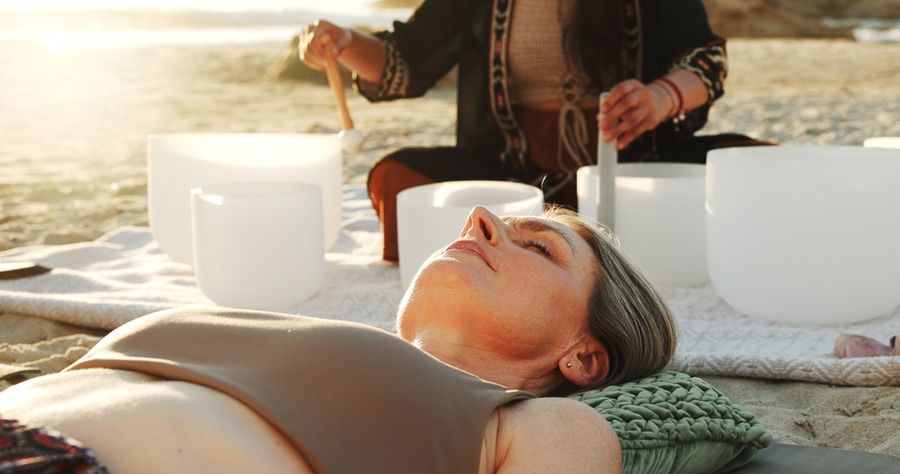
Sound baths involve lying down in a relaxed position while a practitioner plays instruments like crystal or metal singing bowls, gongs, or chimes. The sounds blend together and surround the listener in waves, guiding the mind into a deep state of rest. Many people describe a sound bath session as feeling similar to meditation, but without the effort of trying to quiet the mind on their own.
According to UCLA Health, one study found that a single sound bath session using singing bowls led to significant reductions in tension, anger, fatigue, and low mood among participants (source). While researchers note that more data is needed to understand how long these effects last, the findings suggest that even a single session can produce noticeable results. Sound baths are generally considered a low-risk, accessible form of therapy — making them a practical option for people who are new to sound-based approaches and curious about what they might offer.
Binaural Beats Therapy
Binaural beats therapy takes a more technical approach to sound. During a session, listeners wear headphones and receive two different audio frequencies — one in each ear. Because the two tones are slightly different, the brain registers the gap between them and creates a third, internal rhythm. This process is believed to influence brainwave activity, nudging the brain toward more relaxed states depending on the frequencies used.
Research suggests that binaural beats may have a moderate but consistent effect on feelings of anxiety, particularly when used ahead of mentally demanding tasks (source). Some clinical studies have also looked at using binaural beats alongside regular music and found that the combination may offer greater calming effects than music alone. The results can vary depending on the individual, the session length, and the specific frequencies involved — so this approach tends to work best as part of a wider routine rather than as a standalone fix.
Vibroacoustic Therapy
Vibroacoustic therapy takes a hands-on approach to sound by delivering low-frequency vibrations directly to the body through specially designed chairs, mats, or vests. Rather than only hearing sound through the ears, a person receiving this type of therapy also feels the vibrations through their skin and tissues. Practitioners believe that this dual experience — hearing and physically sensing sound at the same time — may amplify the body's relaxation response in ways that listening alone cannot.
UCLA Health notes that vibroacoustic therapy may help relax muscles, ease pain, and support circulation, all of which are physical states closely tied to how stressed a person feels (source). When the body is holding tension — in the shoulders, jaw, or back — it becomes harder to feel mentally at ease. By targeting both the nervous system and the muscles simultaneously, vibroacoustic sessions aim to address stress from the inside out. As with other sound therapies, research is still developing, and results can vary, but the approach is generally considered low-risk for most healthy adults.
Nature Sound Therapy
Nature sounds have been used informally for relaxation for a very long time — from ocean waves to falling rain to the hum of a forest. More recently, wellness providers have started incorporating structured nature soundscape sessions into their offerings, using high-quality recordings or live outdoor settings to create an immersive listening experience.
A 2025 study published in Scientific Reports found that people who listened to forest soundscapes reported improvements in mood, mental restoration, and cognitive performance compared to those who listened to industrial sounds (source). These results suggest that natural audio environments may offer a kind of mental reset for people whose stress comes from overstimulation, information overload, or the constant buzz of city life. While more research is needed to understand the full extent of these benefits, deliberately spending time with calming natural sounds — whether in person or through a structured session — appears to offer meaningful support for emotional well-being.
Finding the Right Sound for You
Sound therapy is a broad field, and no single approach will work equally well for every person. Individual responses to sound can vary based on personal preferences, past experiences, and even cultural background. A 2025 scoping review noted that personal context and the setting in which sound therapy takes place can significantly shape how effective it turns out to be (source).
The good news is that with so many options available — from music therapy and sound baths to binaural beats and nature soundscapes — there is likely a form of sound therapy worth exploring for most people. Starting with a single session of any of these approaches carries minimal risk and can be a useful first step toward finding what works. For anyone managing serious health concerns, a conversation with a doctor or mental health provider is always a good idea before adding new therapeutic practices to a regular routine.