

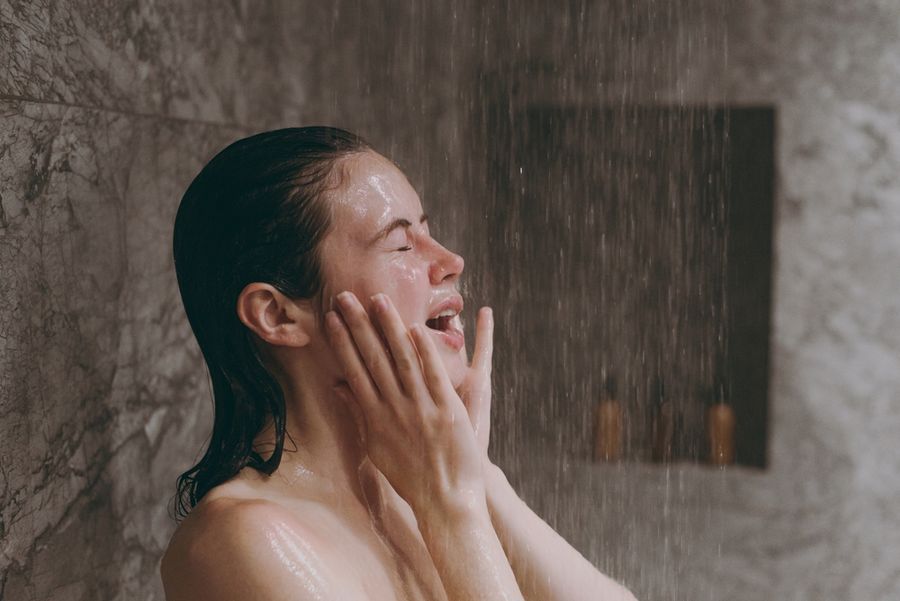
Contrast showering is a simple method that uses both warm and cold water during a single shower. Many Americans use a contrast approach to support recovery after exercise or long days of physical activity. The idea is to switch between temperatures to help the body respond and recover more efficiently. While it may feel uncomfortable at first, it can become part of a regular routine and offer steady benefits when used consistently.
What Is Contrast Showering?
Contrast showering involves alternating between warm and cold water for short periods of time. A typical session starts with warm water, followed by a brief period of cold water. This cycle is repeated a few times before finishing.
The warm water helps the body relax, while the cold water creates a sudden change that causes the body to respond. This shift in temperature is what makes contrast showering different from a regular shower. It is not about staying in one temperature but moving between both in a controlled way.
How Temperature Changes Affect the Body
The body reacts quickly to changes in temperature. Warm water causes blood vessels to widen, which can help improve blood flow and relax muscles. Cold water has the opposite effect. It causes blood vessels to narrow and may reduce feelings of swelling or soreness.
When you switch between warm and cold water, the body adjusts each time. This repeated response may help support circulation. Better circulation can help move nutrients through the body and remove waste from muscles after activity. This process is often linked to recovery.
Supporting Muscle Recovery After Exercise
After physical activity, muscles need time to recover. This includes repairing small areas of stress that happen during exercise. Contrast showering may help support this process by encouraging movement of blood in and out of muscle tissue.
Some people find that alternating temperatures helps reduce the feeling of tightness after workouts. The cold water phase may also help manage soreness, while the warm phase supports relaxation. While it does not replace rest, it can be an added step in a recovery routine.
Helping With Energy and Alertness
In addition to recovery, contrast showering can affect how you feel during the day. Cold water can create a quick sense of alertness, especially when used in the morning. The sudden change in temperature signals the body to wake up and respond.
Warm water, on the other hand, can feel calming and may be more useful in the evening. By combining both, contrast showers can provide a balance of energy and relaxation. This makes them useful at different times depending on your goals.
How to Start a Simple Contrast Shower Routine
Getting started with contrast showering does not require a complex plan. You can begin by ending your normal shower with a short period of cold water. As you get used to the feeling, you can add cycles of warm and cold water.
A common approach is to spend a few minutes in warm water, then switch to cold water for a shorter time. Repeat this process a few times and finish with cold water. The exact timing can vary, so it is best to adjust based on your comfort level.
Keeping It Safe and Manageable
It is important to approach contrast showering in a safe way. The cold water should feel intense but not painful. If it feels too uncomfortable, you can reduce the time or adjust the temperature.
People with certain health conditions should be cautious and may want to speak with a healthcare provider before starting. Listening to your body is key. The goal is to support recovery, not create stress or discomfort.
Building Consistency Over Time
Like many recovery methods, contrast showering works best when used regularly. It does not need to be done every day, but adding it to your routine a few times each week can help you see steady results.
Consistency also helps your body adapt to the temperature changes. What feels difficult at first often becomes easier with practice. Over time, the process can feel like a normal part of your routine.
A Simple Method to Support Recovery
Contrast showering is a simple and practical way to support recovery and improve how your body feels after activity. By switching between warm and cold water, you encourage natural responses that may help circulation, reduce soreness, and improve alertness.
While it is not a replacement for rest or proper care, it can be a useful addition to a balanced routine. With regular use, it offers a steady and easy way to support overall recovery.