

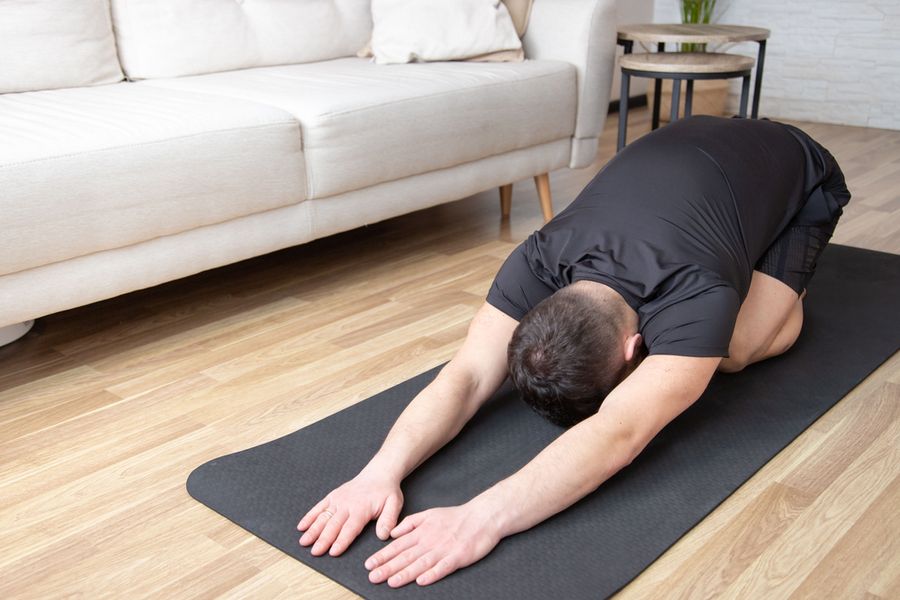
Many people struggle to relax at night, even when they feel tired. Busy days, screen time, and stress can make it harder to settle down before bed. A simple stretching routine can help the body shift into a more relaxed state. Gentle movement before sleep can reduce tension and prepare both the body and mind for rest. With a few easy stretches, you can build a calming routine that supports better sleep over time.
Why Stretching Before Bed Helps
Stretching before bed works by helping the body release built-up tension. During the day, muscles tighten from sitting, walking, or stress. If this tension stays in the body, it can make it harder to fall asleep comfortably.
Gentle stretching signals the body to slow down. It can also support steady breathing, which helps calm the nervous system. This shift from activity to relaxation makes it easier to fall asleep and stay asleep. Over time, a simple stretching routine can become a helpful signal that it is time to rest.
Neck and Shoulder Stretches for Tension Relief
Many people carry tension in the neck and shoulders, especially after long hours of sitting or working on a screen. Releasing this tension before bed can make a big difference in comfort.
A simple neck stretch involves slowly tilting your head to one side and holding the position for a few seconds. You can repeat this on both sides. Shoulder rolls are another easy movement. Gently roll your shoulders forward and backward to loosen tight areas.
These small movements help reduce stiffness and allow the upper body to relax. When your neck and shoulders feel less tight, it is easier to settle into a comfortable sleeping position.
Gentle Back Stretches to Ease the Body
The back often holds tension from daily activity. Stretching this area before bed can help reduce discomfort and improve how your body feels when lying down.
One simple stretch is the knee-to-chest movement. While lying on your back, bring one knee toward your chest and hold it briefly before switching sides. Another option is a gentle twist, where you rotate your knees to one side while keeping your shoulders on the floor.
These stretches help release pressure in the lower back and support better alignment. A relaxed back can make it easier to stay comfortable throughout the night.
Leg Stretches to Improve Circulation
Stretching the legs before bed can help reduce tightness and support circulation. This is especially helpful if you spend long periods sitting or standing during the day.
A basic hamstring stretch can be done while sitting or lying down. Extend one leg and gently reach toward your foot without forcing the movement. Calf stretches are also useful and can be done by pressing your foot against a wall or surface.
These stretches help the legs feel lighter and more relaxed. Improved circulation can also reduce feelings of restlessness, which may support better sleep.
Full-Body Stretches for Relaxation
A few full-body stretches can help bring everything together at the end of your routine. These movements allow the entire body to release tension at once.
One option is a simple forward fold while standing or sitting. Let your upper body relax as you bend forward gently. Another stretch is reaching your arms overhead while taking a slow breath, then lowering them as you exhale.
These movements encourage steady breathing and help the body shift into a calm state. The goal is not to push your limits but to create a sense of ease and comfort.
Keeping Your Routine Simple and Consistent
The most effective stretching routine is one that you can repeat each night. You do not need a long session to see benefits. Even five to ten minutes of gentle stretching can support better relaxation.
Choose a few stretches that feel comfortable and easy to perform. Keep the pace slow and avoid sudden movements. Turning off bright lights and reducing noise can also help create a calm environment.
Consistency is key. Over time, your body may begin to associate this routine with sleep, making it easier to unwind each night.
A Simple Way to Support Better Sleep
Stretching before bed offers a simple and natural way to improve sleep quality. By reducing muscle tension and encouraging relaxation, it helps prepare the body for rest.
You do not need complex routines or special equipment to get started. With a few gentle stretches and a consistent approach, you can create a calming habit that supports better sleep night after night.